Bathroom renovations
Bathroom renovation in Edmonton, built to stay dry
Swap the tub for a walk-in shower, or redo it all. We waterproof behind the tile and quote in writing after the site visit.
Call (587) 327-0144- Site visit to written quote
- 48 hours
- Workmanship warranty
- 1 year
- Behind every tile
- Waterproofed
- Licensed and insured
- WCB Alberta
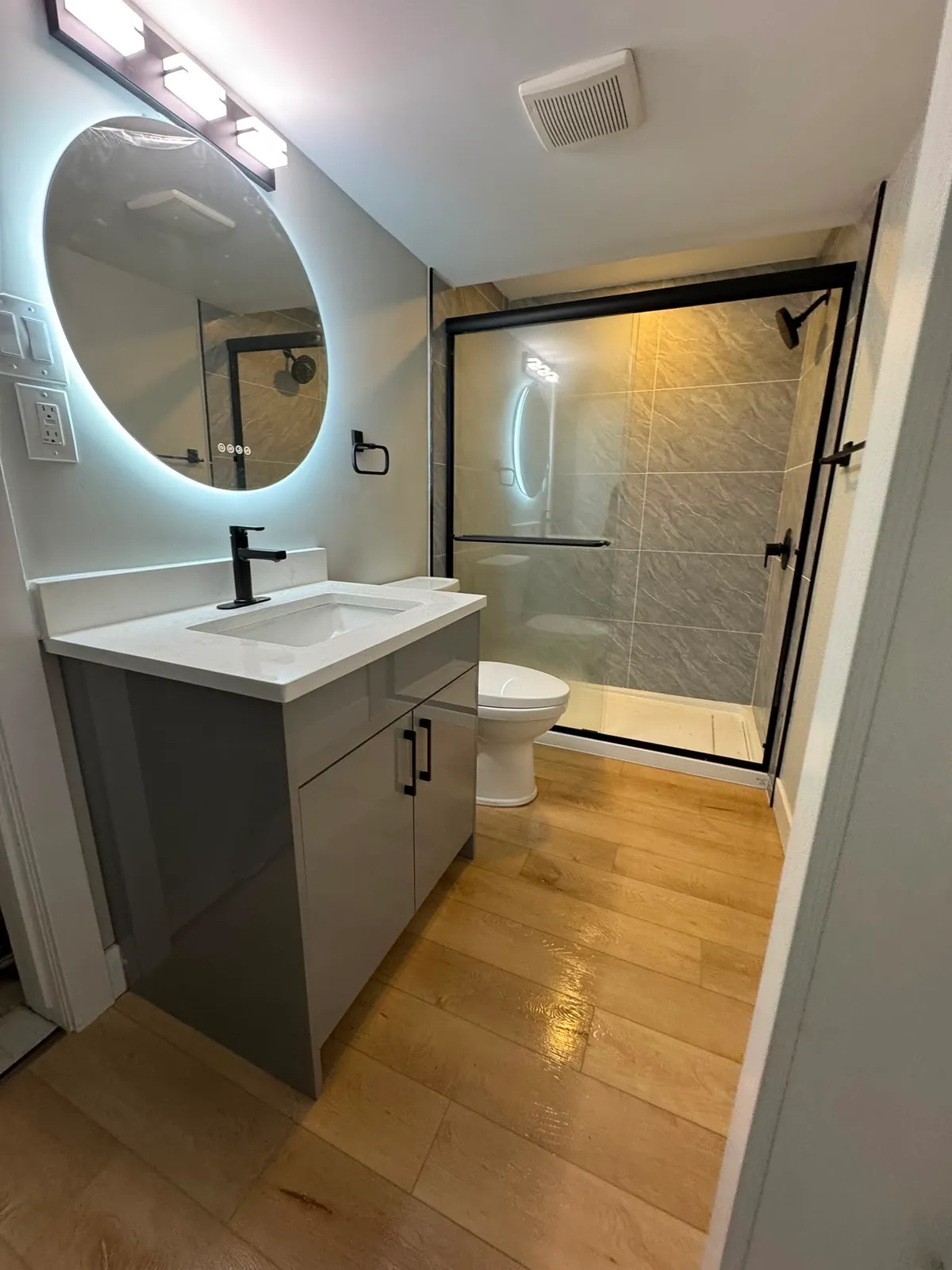
Meadow Contracting renovates bathrooms in Edmonton with a waterproof layer behind every tile, certified plumbers on the drains and fixtures, and a 1-year warranty on our workmanship. Tell us what you want changed, and your free written quote follows within 48 hours of the site visit.
Selected projects
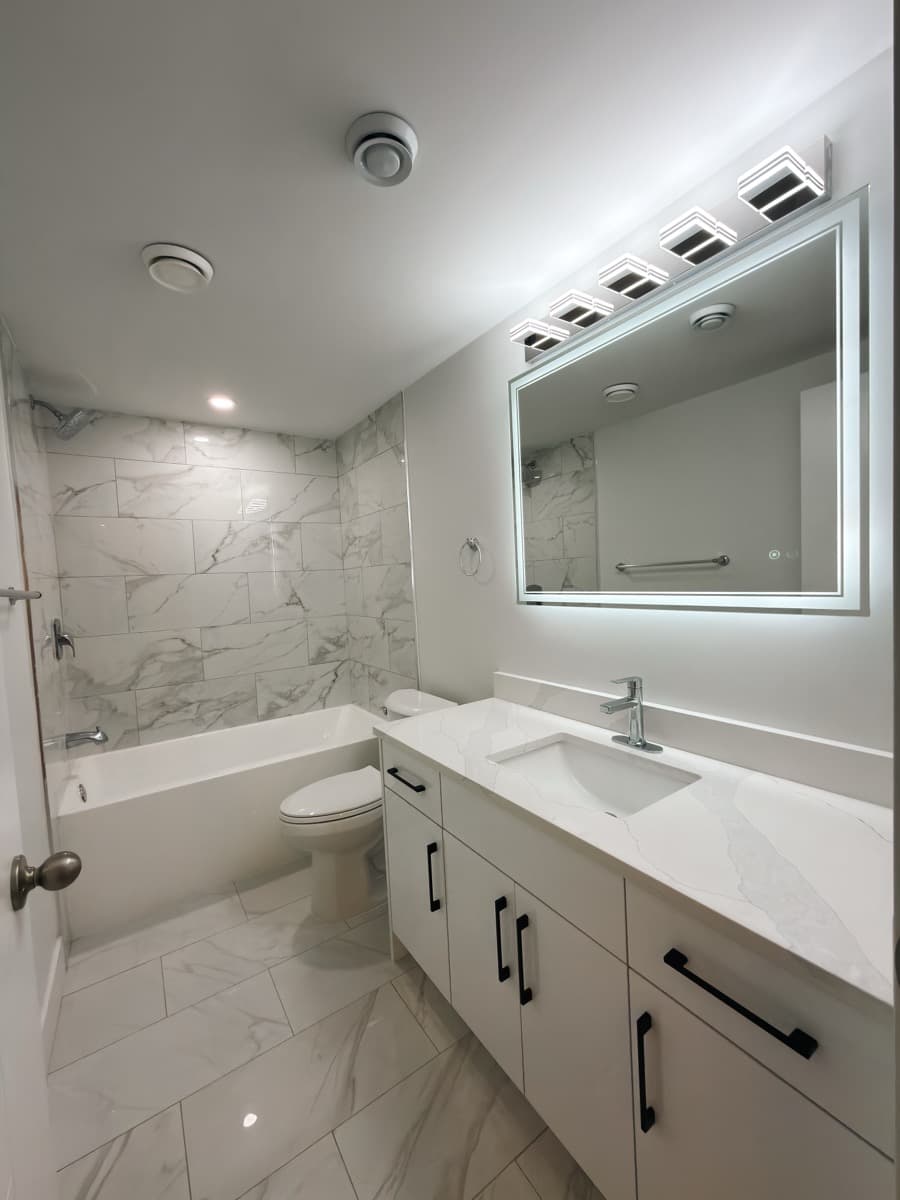
Legal suite bathroom 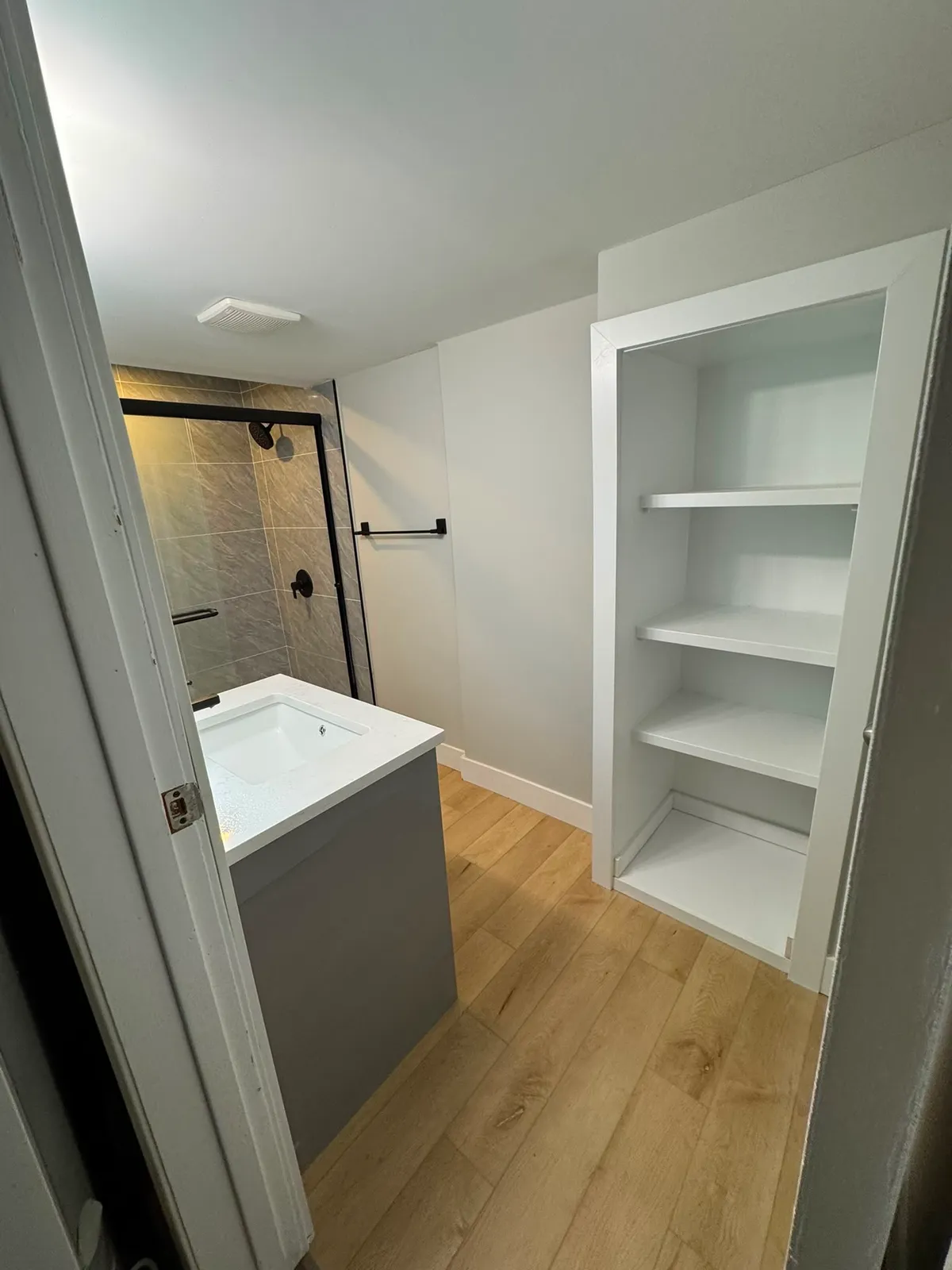
Bathroom renovation 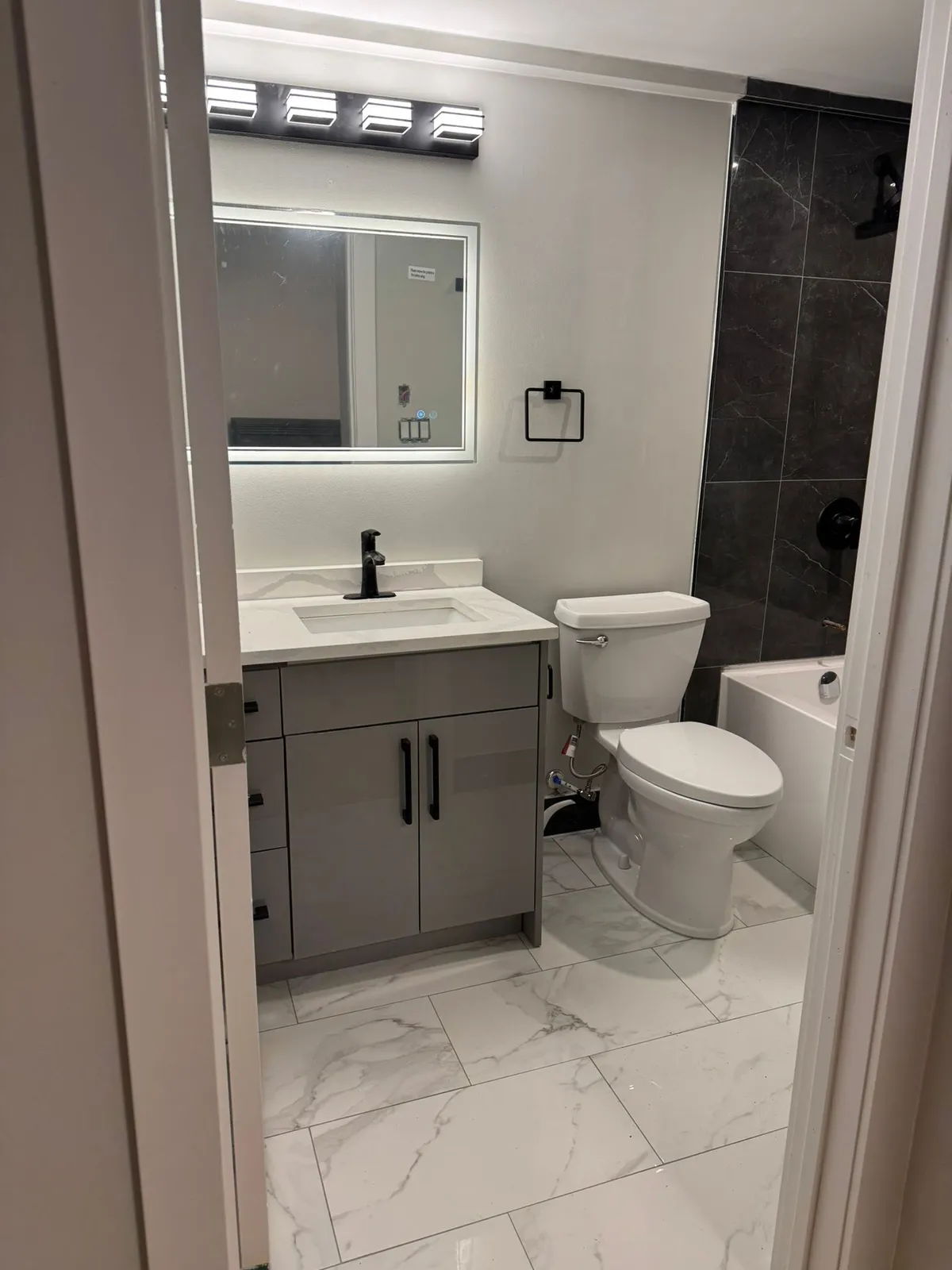
Basement suite bathroom 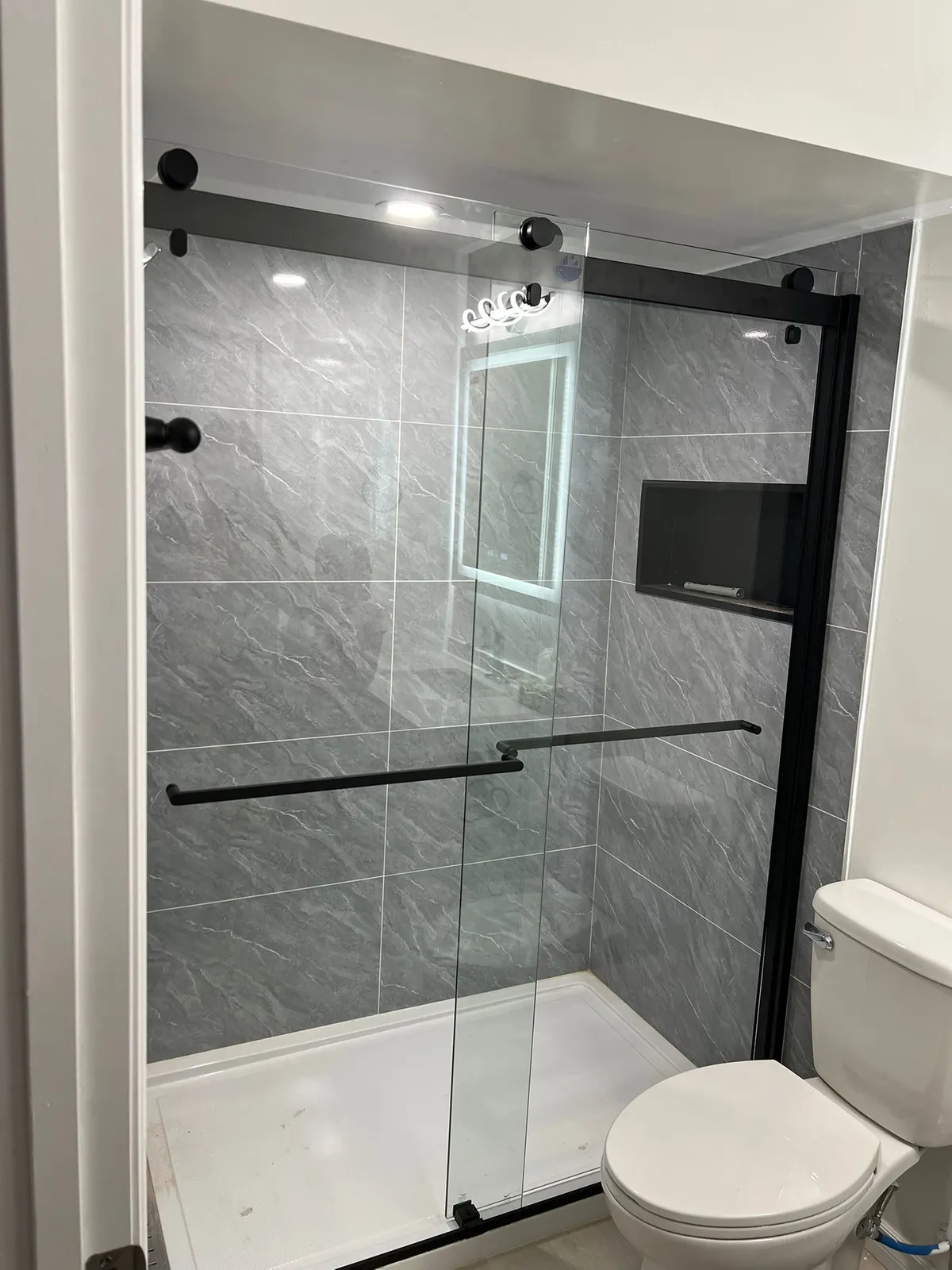
Bathroom renovation 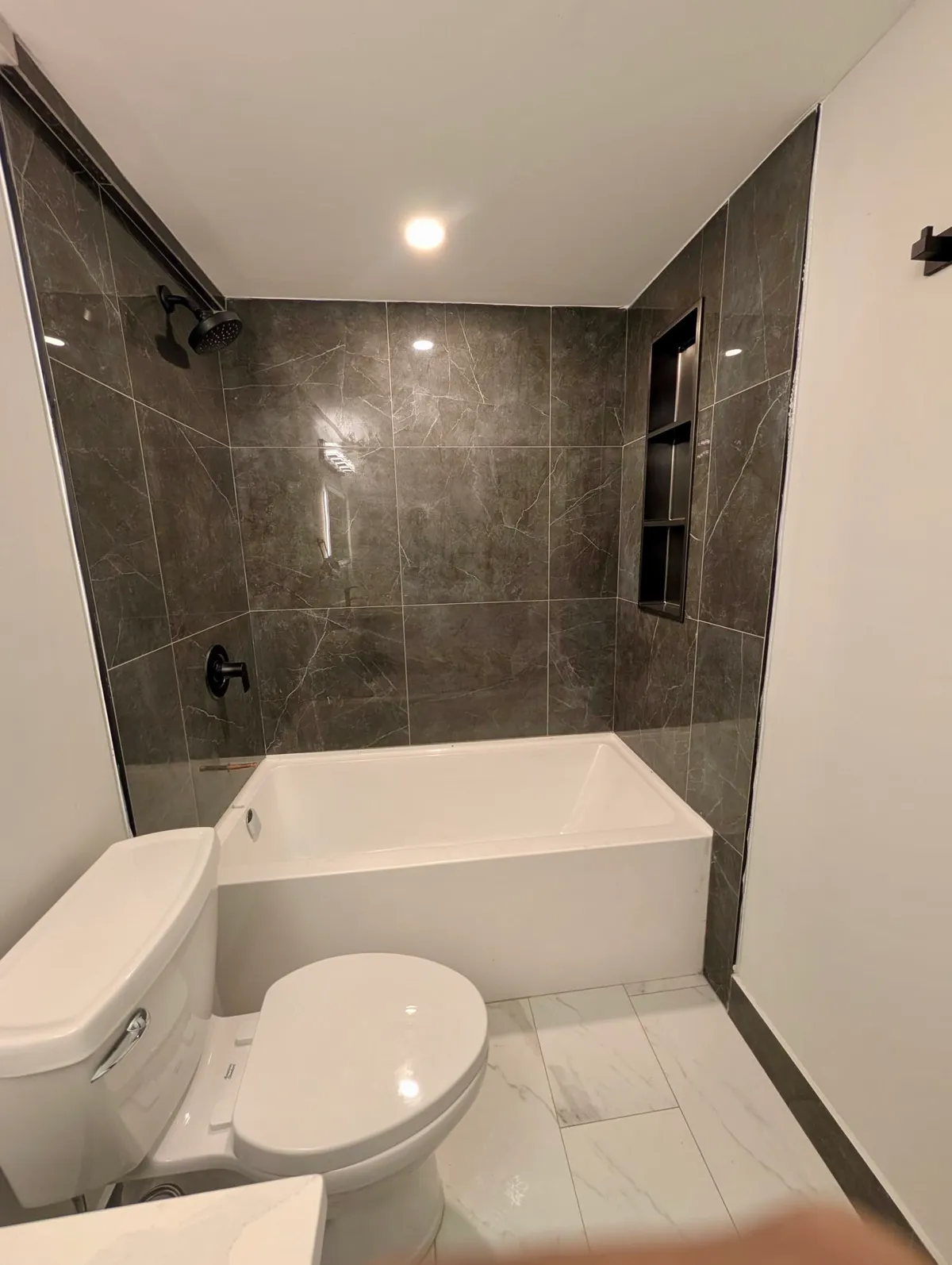
Basement suite bathroom 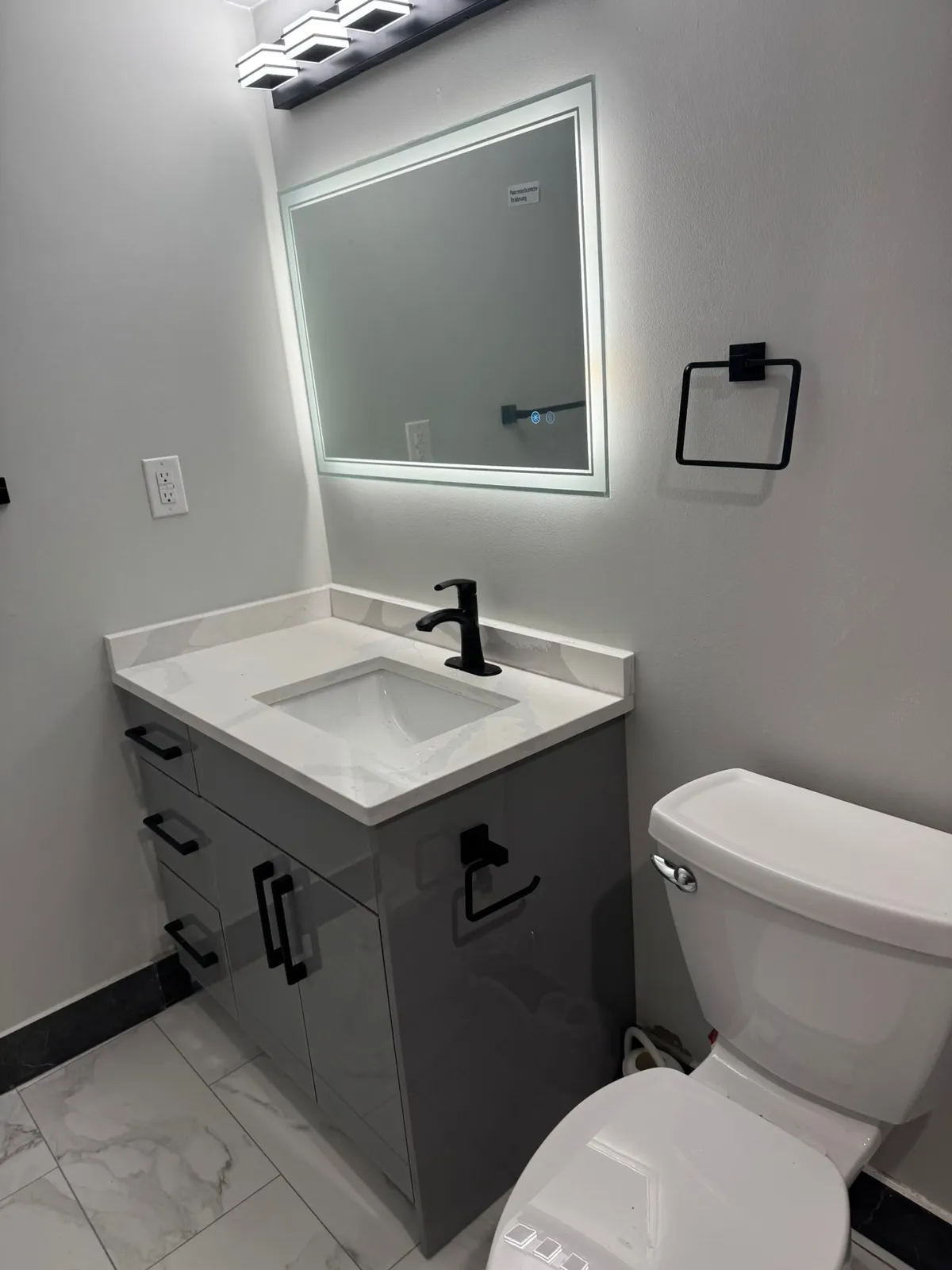
Basement suite bathroom 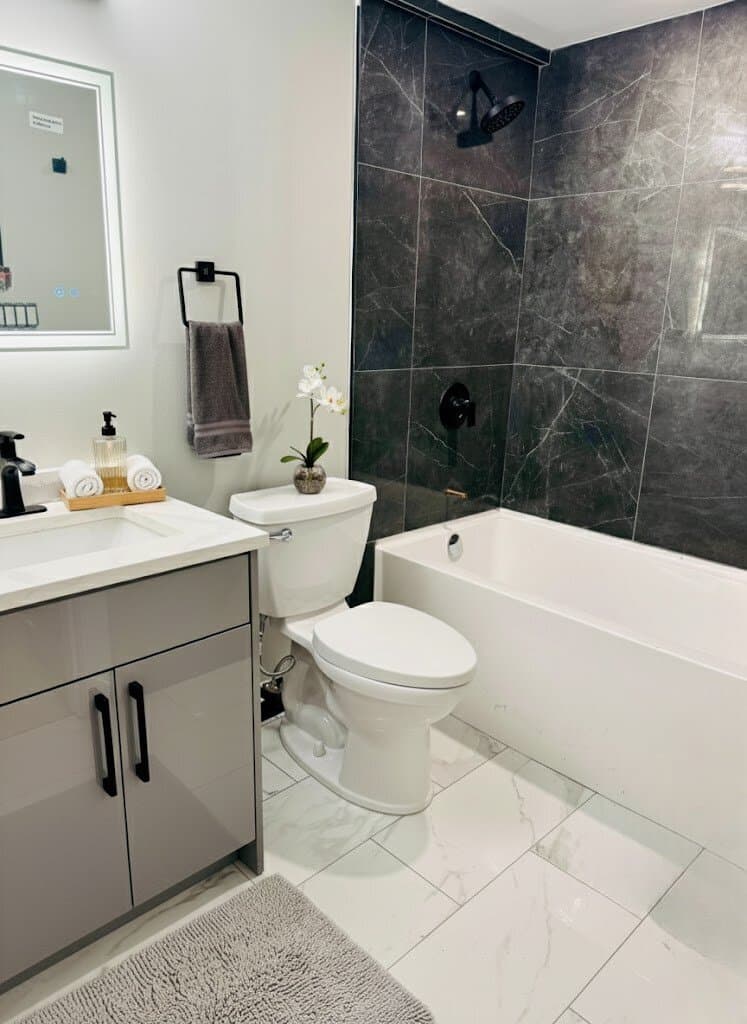
Basement suite bathroom
Small fix or full gut?
- Tub-to-shower conversions
- Curbless showers, where floors allow
- Waterproofing sealed to the drain
- Large-format tile and niches
- Fans ducted outdoors
- Grab bars with solid blocking
- Moved or added fixtures
- Basement bathrooms
- Whole-home renovations
In what order is a bathroom renovated?
Demolition
We protect the floors and strip the room.
Pipes and wiring
Pipes and fan ducts go in, then get inspected.
Waterproofing
A sealed layer goes behind every tile.
Tile
Floor and walls get tiled and grouted.
Fixtures
The vanity and shower glass go in.
Final inspection
We close the permits and walk the room with you.
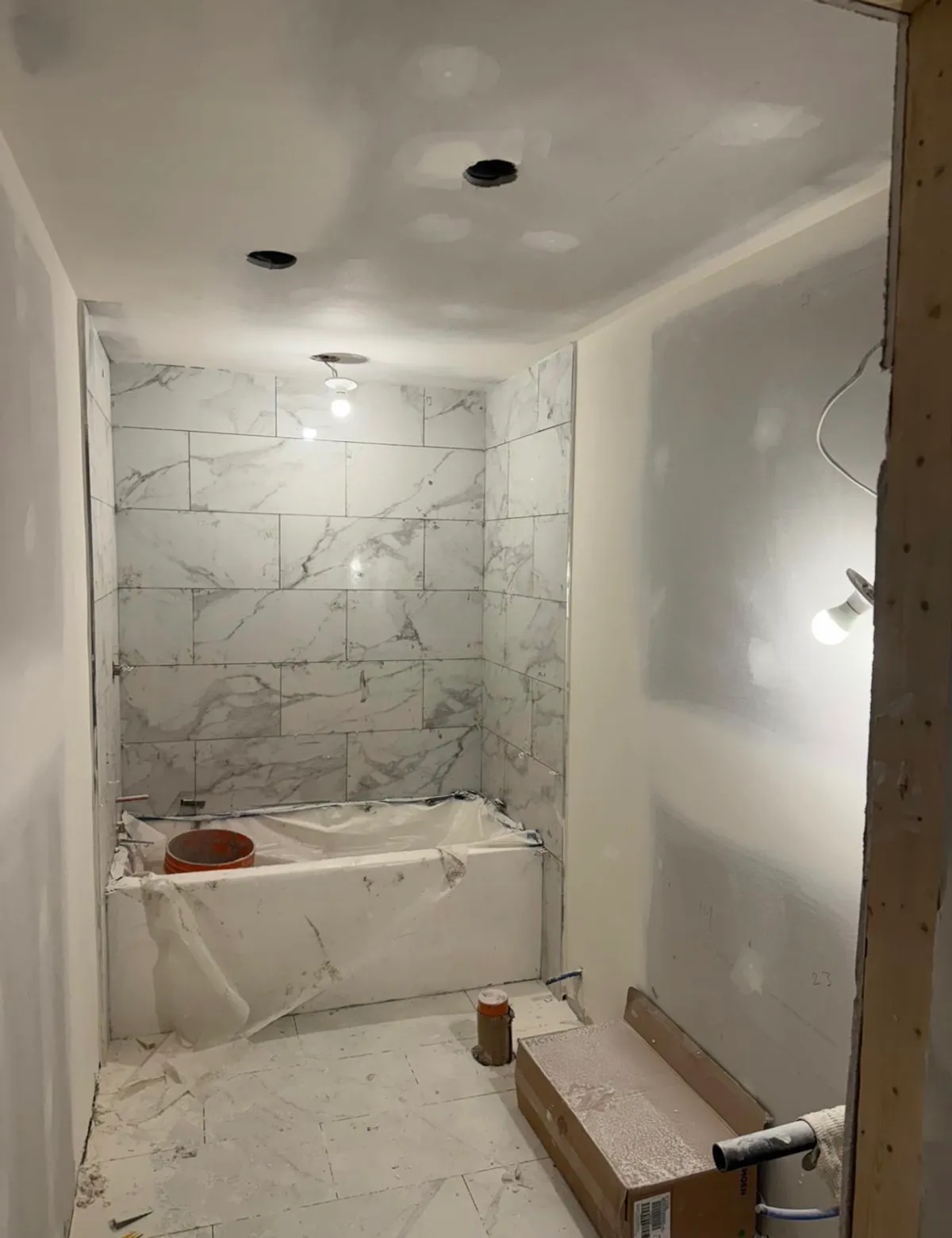
The same bathroom, before and after
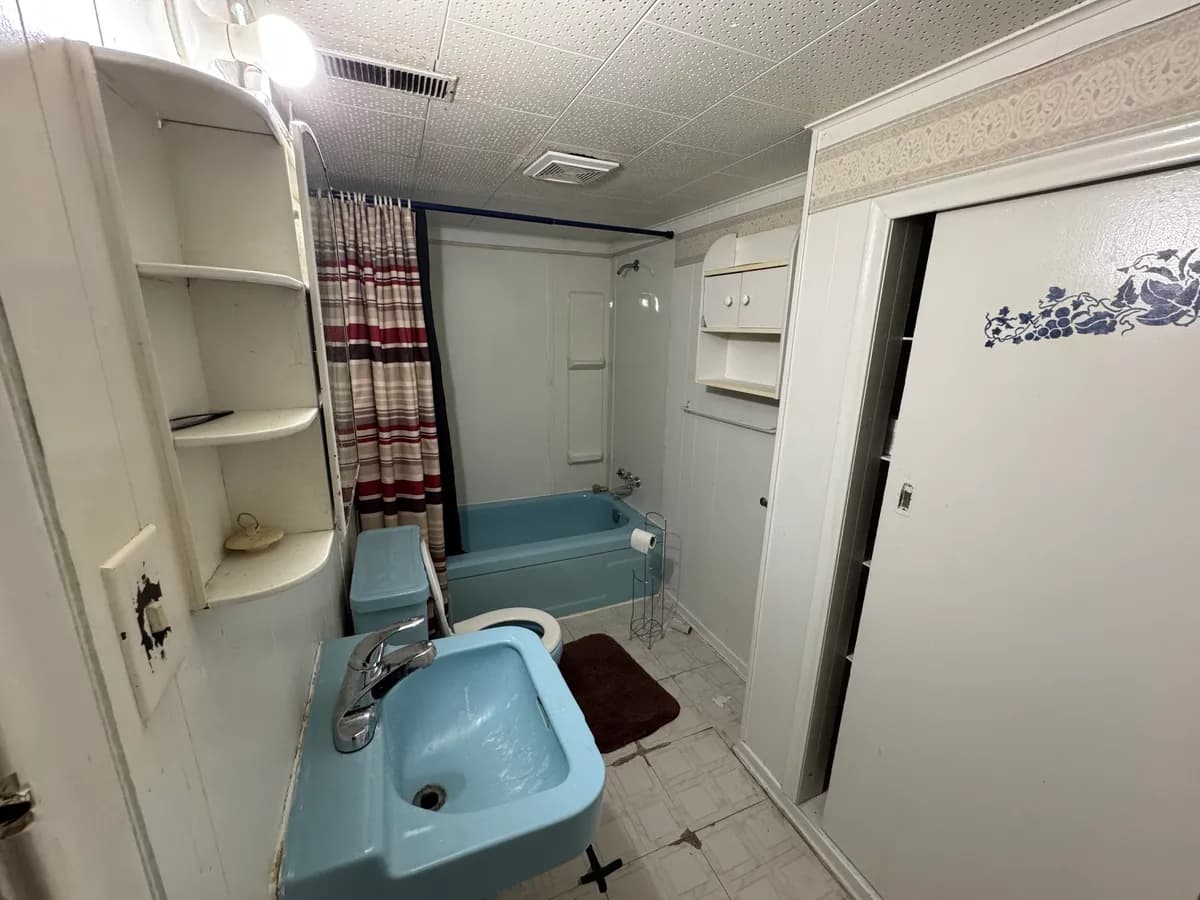 Before
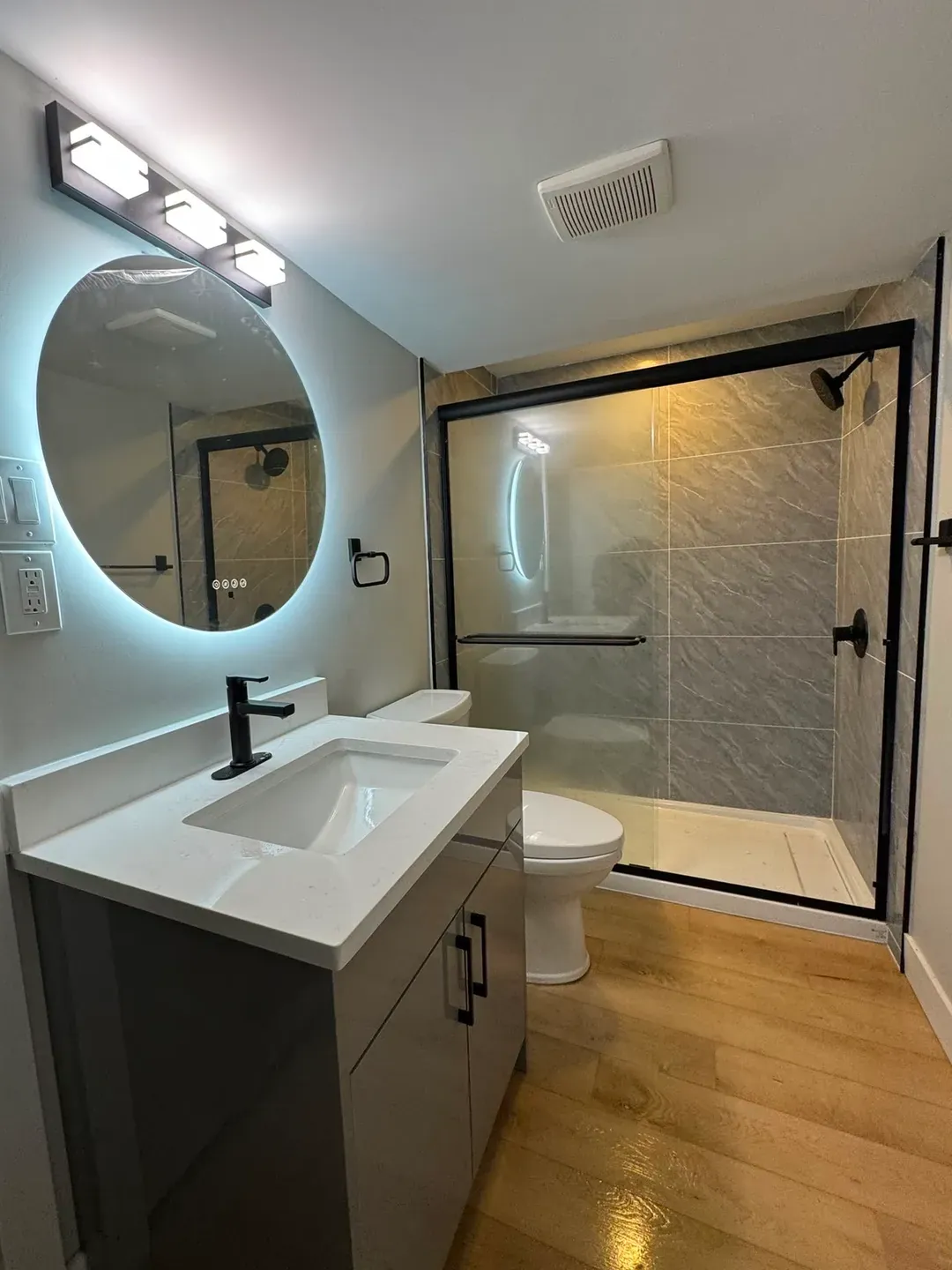 After
Tile isn't what keeps water out
Grout lets water through. The sealed layer behind the tile keeps your walls and subfloor dry.
Read more
We put a continuous waterproof layer behind every tile, because tile and grout are not waterproof. Grout lines take on water, and in a shower they are wet every day. The layer is a membrane or a waterproofed backer board, sealed at every seam, corner, niche and valve, and tied into the drain.
When that layer is missing or has a gap, the damage stays out of sight. Water soaks into the wall or subfloor behind tile that still looks perfect, until the grout darkens, a tile loosens or a stain shows up on the ceiling below. By then, the fix means tearing out the shower.
So we check the waterproofing before any tile goes on, much as an inspector checks rough-in plumbing before the walls are closed. Once the tile is set, nobody sees that layer again.
Why your fan must vent outside
We duct bathroom fans outdoors, because steam has to go somewhere. Edmonton averages about 179 days a year with a low at or below freezing, according to Environment and Climate Change Canada (1991 to 2020 normals, Edmonton City station). For much of that time, shower moisture condenses on cold windows, outside walls and the ceiling under the attic.
A fan sized for the room, ducted outdoors and left running long enough after a shower keeps that moisture out of the drywall and insulation. A fan that exhausts into the attic only moves the problem to the roof sheathing. When we renovate a bathroom, we trace where the existing fan vents before we decide whether to keep the duct.
Why bathroom prices differ
Two bathrooms the same size can get very different quotes from us. The difference usually comes from the plumbing and the tile more than the vanity.
Moving fixtures is the biggest step up. Relocating a toilet means a new drain in the floor, and in a main-floor bathroom that can mean opening the ceiling below. Turning a tub into a tiled shower means a new drain and valve, waterproofing, and tile on three walls and the floor.
Tiling the whole floor and every wall costs more than a tiled shower with painted walls, and large or patterned tile takes longer to set flat. Glass shower doors, heated floors and lit mirrors are finishes that add up.
Older rooms can also hide problems: water damage under an old tub, a subfloor that needs replacing, or materials that need asbestos testing before they come out. Alberta health guidance recommends that testing in buildings built before the early 1990s (MyHealth Alberta). We look for all of this at the site visit, so the fixed price covers the room you have.
When a bathroom needs a permit
We take out a plumbing permit for a remodel, because Edmonton's exemption is narrow. It covers maintenance, meaning a like-for-like replacement of a worn fixture in the same spot, not a renovation or upgrade (City of Edmonton).
A remodel is past that line. New fixtures, a moved toilet, a tub turned into a shower with a new drain, or a second sink are all plumbing work that needs a permit. Wiring for a new fan, a heated floor or an extra light needs an electrical permit (City of Edmonton), and the City lists building or finishing a bathroom among renovations that need permits (City of Edmonton).
Who applies matters too. The City issues homeowner trade permits only to owners who live in the house, in a home that shares no wall with a neighbour, and a certified trade contractor applies in every other case. On our projects we handle the permits before work starts and book each inspection, and the job isn't done until it passes them.
Paying for an accessible bathroom
We build grab bars, wheel-in showers and walk-in tubs that let someone keep living in their own home. Three programs can help with the cost, each with its own rules.
The federal Home Accessibility Tax Credit covers renovations that help a person who is 65 or older by the end of the year, or someone eligible for the disability tax credit, get into, move around or function in their home, or that lower their risk of harm there (Canada Revenue Agency). Up to $20,000 of eligible expenses can be claimed a year per home, and the credit is calculated at the lowest federal tax rate, which is 14% for 2026 (Finance Canada).
From the 2026 tax year, each expense can be claimed under one credit only (Finance Canada, Bill C-15), and a RAMP grant does not reduce the Home Accessibility Tax Credit (Canada Revenue Agency). Keep your invoices itemized so whoever prepares your return can sort them. Our multigenerational credit guide shows how the credits fit together.
Alberta's Residential Access Modification Program gives low-income Albertans grants of up to $12,000 per person each benefit year and up to $24,000 within 10 years (Government of Alberta). It covers people of any age who use a wheelchair, seniors 65 and over who use a four-wheeled walker on an ongoing basis, and people living with a progressive neuro-degenerative disease, subject to income limits and residency rules.
Alberta's Seniors Home Adaptation and Repair Program offers a low-interest home equity loan of up to $40,000 to seniors with a total annual income of $75,000 or less and at least 25% equity in their home. Bathrooms and walk-in tubs are among its listed project examples (Government of Alberta).
Each stage in detail
The sequence is much the same in every bathroom, and we set your schedule after the site visit, once the scope is agreed. We protect the floors along the way in, shut off the water, and strip the fixtures, tile and drywall back to what needs replacing.
At rough-in, plumbing is moved or replaced, fan ducting and wiring go in, and blocking for grab bars is added while the walls are open. The rough-in inspections happen at this stage. Tile backer goes up next, then the waterproofing, sealed at every seam and around the drain, niche and valve.
Floor and wall tile are set and grouted. Large tile needs a flat wall, so this is where the earlier prep work shows. Then the vanity, toilet, faucets, glass, mirror, lighting and trim go in, and the fan is tested. The permits are closed with final inspections, and we walk the finished room with you.
Bathroom renovation questions
Can I renovate a bathroom for $10,000?
It depends on what moves, and Meadow will show you what fits your number at the site visit. A budget like that goes furthest when the toilet, tub and sink stay where they are, since leaving the drains and supply lines in place keeps the plumbing work small. Moving fixtures, turning a tub into a tiled shower or opening the walls raises the price.
What is the most expensive part of a bathroom renovation?
Moving plumbing and building a tiled shower. Meadow checks both at the site visit, because a relocated toilet or a tub turned into a shower needs new drains and valves, a plumbing permit, waterproofing and a lot of tile. After that, the larger costs are tile coverage, glass doors and custom vanities, and older bathrooms can hide water damage in the subfloor.
Do I need a permit to renovate a bathroom in Edmonton?
Yes, for most remodels, and Meadow confirms which permits your plan needs at the site visit and handles the applications. The City's plumbing exemption covers only maintenance, meaning a like-for-like replacement of a worn fixture in the same spot. New, moved or added fixtures need a plumbing permit, new wiring needs an electrical permit, and building or finishing a bathroom is on the City's list of work that needs permits.
Can you convert a bathtub into a walk-in shower?
Yes. Meadow takes the tub out, moves the drain to suit a shower base or a tiled floor sloped to the drain, fits a new valve, then waterproofs and tiles the walls. A low-threshold or curbless entry is possible where the floor structure lets the drain sit low enough.
How long does a bathroom renovation take?
Permits alone averaged 11 days from April to June 2026, against the City of Edmonton's 25-day target for simple home improvement permits (City of Edmonton). Meadow sets the build schedule once we've seen the room and agreed the scope. Plan for showers elsewhere while the room is out of use.
Does the accessibility tax credit cover bathrooms?
Yes, when the work helps a qualifying person get into or move around the home, or lowers their risk of harm there. Meadow builds grab bars, walk-in bathtubs and wheel-in showers, which are examples Finance Canada gives. A qualifying person is 65 or older by the end of the year, or eligible for the disability tax credit, and up to $20,000 of eligible expenses a year can be claimed per home.
What exhaust fan does a bathroom need?
One sized for the room, ducted to the outside and quiet enough that you'll run it. Meadow traces where your existing fan vents before deciding whether to keep the duct. With about 179 days a year at or below freezing overnight in Edmonton (Edmonton City station, 1991 to 2020 normals), steam condenses quickly on cold surfaces, so the duct route matters as much as the fan. A humidity-sensing switch helps too.
Do you renovate bathrooms in basements?
Yes. Meadow builds basement bathrooms, which usually need a drain connection below the slab or a pump system, plus the ducting and waterproofing any bathroom needs. If you're finishing the whole basement, see our basement development page. If the bathroom is part of a suite, see legal basement suites.
Start with a site visit
We'll look at the room, then send a free written quote within 48 hours.
Related guides
Plain-language guides to Edmonton permits, contractor licensing, costs and tax credits, each linked to its official sources.
Tax credits and programs
Multigenerational Home Renovation Tax Credit (Canada, 2026)
The multigenerational home renovation tax credit explained: who qualifies, what the new unit needs, the 2023 to 2026 rates and the paperwork to keep.
Hiring a contractor
Do You Need a General Contractor Licence in Alberta?
Do you need a licence to be a general contractor in Alberta? What the province and the City of Edmonton require, how to check a contractor, and the red flags.